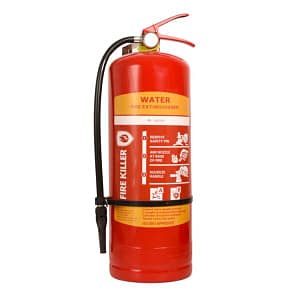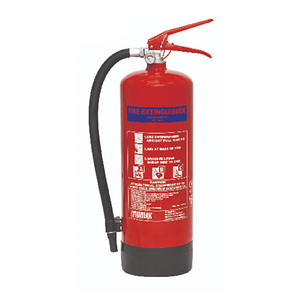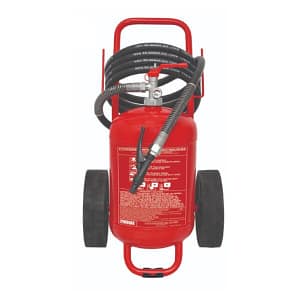

Description
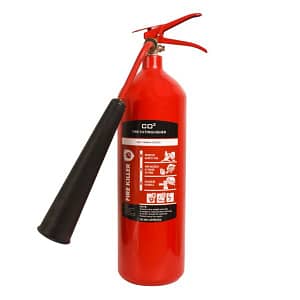
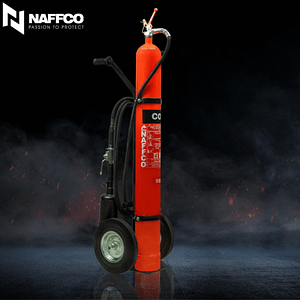
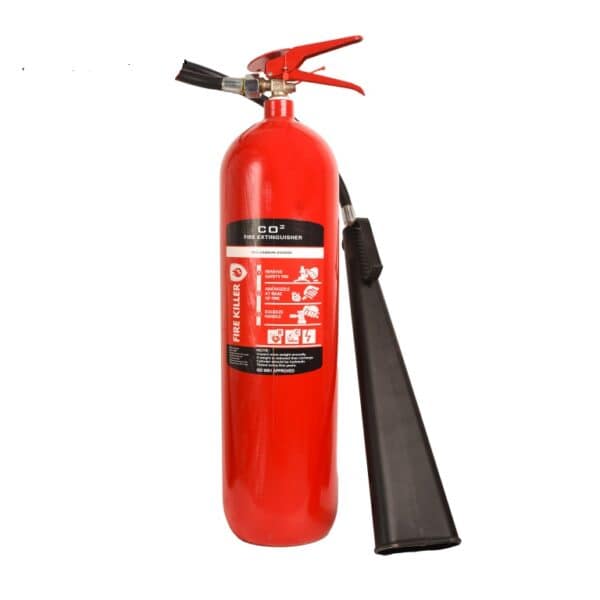
Fire Extinguisher CO₂ utilizes compressed, liquid Carbon Dioxide gas as its extinguishing agent. This type of extinguisher is specifically designed to suppress fires by smothering them displacing the oxygen required for combustion and by providing a significant cooling effect as the compressed gas expands.
Features:
- Extinguishing Agent: Carbon Dioxide Gas. This agent is non-conductive, non-corrosive, and leaves zero residue upon discharge.
- Class B: Fires involving flammable liquids (petrol, oil, paint, solvents).
- Class C : Fires involving energized electrical equipment (computers, servers, panels, machinery).conductive property makes it safe for these uses.
- Distinctive Discharge Horn: Extinguishers are easily identifiable by their unique, large, bell-shaped or horn-shaped discharge nozzle.This horn must be handled with care as it becomes extremely cold during use.
- Operating Mechanism (High Pressure): The is stored as a liquid under its own high vapor pressure. When activated, the liquid and rapidly expands into a cold, suffocating gas.
- Absence of Pressure Gauge: Unlike stored pressure extinguishers do not typically have an external pressure gauge.
- Heavy Weight: Due to the need to contain the agent under extremely high pressure, the cylinder walls are very thick, making the extinguisher heavy relative to its size and agent volume.
- Residue-Free: The greatest advantage; leaves no damage making it ideal for clean rooms, laboratories, expensive electronics.
- Electrical Safety: Perfectly safe for use on live electrical equipment as the gas is non-conductive.
- Flammable Liquid Efficacy: Highly effective on liquid fires by rapidly displacing oxygen and cooling the fuel surface.
- Displacement: The gas is heavier than air and rapidly disperses throughout the area, smothering the fire.