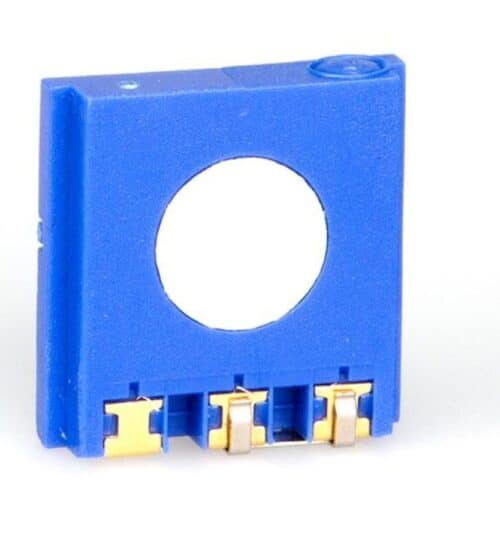

Replacement Hydrogen Sulfide Sensor refers to the new sensing element or module required to maintain the accuracy and functionality of a fixed or portable gas detector. is a lethal, fast-acting gas commonly found in oil and gas, petrochemical, wastewater, and mining industries. Due to the gas's toxicity and the constant exposure of the sensor to harsh conditions sensors have a finite life and must be replaced periodically.
Features:
Electro chemical Sensing Technology: Most detection relies on advanced electrochemical sensors. These sensors operate by reacting with the gas to produce an electrical signal.6 Over time (typically 2 to 3 years), the electrolyte within the sensor dries out or the electrodes are consumed, leading to degradation of accuracy.
Preventive Maintenance (Not End-of-Life): Unlike consumer CO alarms that signal their own end-of-life, industrial sensors are typically replaced proactively based on the manufacturer's recommended lifespan, or when calibration (bumping) failures indicate reduced sensitivity.
Crucial Step: After replacing the sensor, the detector must be exposed to a known concentration of (calibration gas) to ensure it accurately reads the concentration and is fully functional before being deployed.
Easy Installation: Sensors are generally designed as modular components that can be quickly swapped out of the detector unit, often with minimal downtime. This is particularly important for multi-gas portable detectors.
Compliance and Reliability: Using genuine replacement sensors is mandatory for maintaining the detector's certifications and adhering to strict occupational safety standards set by organizations like OSHA.
Life Safety: Ensures the detector remains the critical line of defense against lethal, fast-acting gas exposure, which can cause instantaneous loss of consciousness (knockdown) at high concentrations.
System Integrity: Guarantees that the gas monitoring program is reliable, avoiding false alarms (due to old sensors drifting) or, critically, failure to alarm Regulatory Compliance: Maintains compliance with industry-specific safety standards that mandate operational and calibrated gas detection systems.
Replacement Hydrogen Sulfide Sensor refers to the new sensing element or module required to maintain the accuracy and functionality of a fixed or portable gas detector. is a lethal, fast-acting gas commonly found in oil and gas, petrochemical, wastewater, and mining industries. Due to the gas’s toxicity and the constant exposure of the sensor to harsh conditions sensors have a finite life and must be replaced periodically.
Features:
Electro chemical Sensing Technology: Most detection relies on advanced electrochemical sensors. These sensors operate by reacting with the gas to produce an electrical signal.6 Over time (typically 2 to 3 years), the electrolyte within the sensor dries out or the electrodes are consumed, leading to degradation of accuracy.
Preventive Maintenance (Not End-of-Life): Unlike consumer CO alarms that signal their own end-of-life, industrial sensors are typically replaced proactively based on the manufacturer’s recommended lifespan, or when calibration (bumping) failures indicate reduced sensitivity.
Crucial Step: After replacing the sensor, the detector must be exposed to a known concentration of (calibration gas) to ensure it accurately reads the concentration and is fully functional before being deployed.
Easy Installation: Sensors are generally designed as modular components that can be quickly swapped out of the detector unit, often with minimal downtime. This is particularly important for multi-gas portable detectors.
Compliance and Reliability: Using genuine replacement sensors is mandatory for maintaining the detector’s certifications and adhering to strict occupational safety standards set by organizations like OSHA.
Life Safety: Ensures the detector remains the critical line of defense against lethal, fast-acting gas exposure, which can cause instantaneous loss of consciousness (knockdown) at high concentrations.
System Integrity: Guarantees that the gas monitoring program is reliable, avoiding false alarms (due to old sensors drifting) or, critically, failure to alarm Regulatory Compliance: Maintains compliance with industry-specific safety standards that mandate operational and calibrated gas detection systems.
Customer Reviews
No reviews yet.
Be the first to review “Replacement Hydrogen Sulfide” Cancel reply