
Description
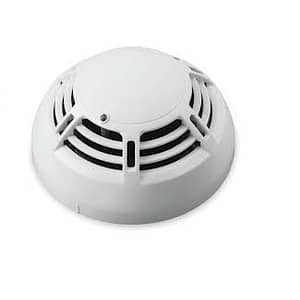
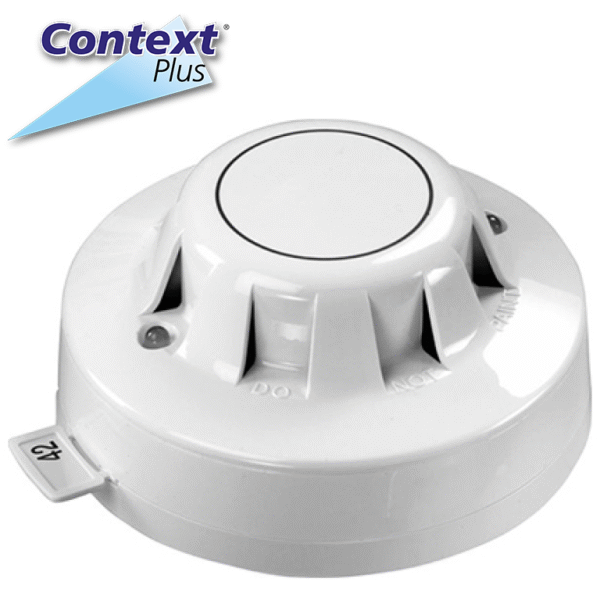
MultiSensor (Optical smoke & Heat)detector Dual-Sensor Detector is an advanced fire detection device that integrates at least two different sensing technologies—typically Optical (Photoelectric) Smoke and Heat—into a single unit. This combination allows the detector to monitor a wider range of fire types and environmental conditions than a single-sensor detector, significantly improving fire detection accuracy, speed of response, and resistance to nuisance alarms.
Features:
- Optical Smoke Sensing (Photoelectric Chamber): Monitors for the presence of visible combustion particles (smoke). It works by directing a beam of light past a chamber. When smoke particles enter, they scatter the light onto a photocell, triggering an alarm.
- Fixed Temperature: Alarms when the ambient temperature reaches a pre-set critical level.
- Rate-of-Rise : Alarms when the temperature increases rapidly over a short period per minute, even if the fixed temperature threshold has not yet been met.
- Intelligent Algorithms (Decision-Making): The detector uses sophisticated internal logic (algorithms) to constantly analyze and correlate data from both the smoke and heat sensors.
- Faster Response: The integrated analysis allows the detector to respond more quickly to specific fire types than a single sensor would alone.
- Addressable or Conventional: Available in both conventional (used in smaller zones) and addressable (used in large, complex systems to pinpoint the exact location of the alarm) formats.
- High Visibility: Typically housed in a standard, ceiling-mounted enclosure with visual indicators (LEDs) for power and alarm status.
- Compliance: Must meet stringent performance standards set by organizations such.
- Versatility: Ideal for environments where the fire hazard is varied (e.g., offices with electronics and kitchens, or large residential buildings).
- Reliability: Provides high resistance to nuisance alarms, reducing user fatigue and ensuring occupants trust the system when a real emergency occurs.