
Description
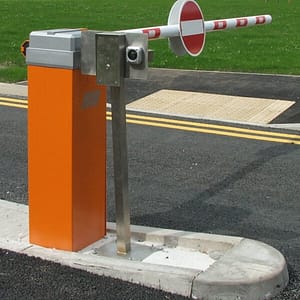
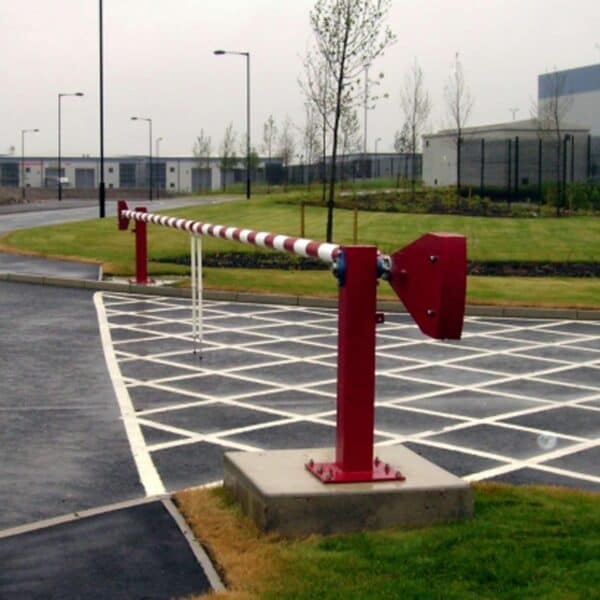
Manual Barrier is a non-automatic security apparatus used to restrict vehicular access to private roads, staff car parks, industrial sites, and remote locations where electricity is unavailable or unnecessary. It consists of a durable vertical pivot post and a long, horizontal arm (boom) that must be manually lifted or swung by a security attendant or authorized personnel. Its simplicity makes it highly reliable, low-maintenance, and a popular choice for securing premises during unmanned periods.
Features:
- Non-Electric Operation: Requires no electrical power, eliminating wiring costs, reducing installation complexity, and ensuring operational availability during power outages.
- Counterbalance Mechanism: Most raise arm models utilize an adjustable counterweight system. This allows the operator to raise and lower the long, heavy arm with minimal physical effort, even for spans up to meters.
- Lockable Positions: The barrier arm is secured using a padlock and locking pin mechanism in both the raised (open) and lowered (closed) positions. This prevents unauthorized access when the site is unmanned (e.g., overnight or on weekends).
- Robust Construction: The main pivot post is typically constructed from heavy-duty galvanized steel for structural strength and corrosion resistance.
- Durable: The boom arm is usually made of lightweight yet strong aluminium or reinforced steel tube, often finished with white powder coating and reflective hazard stripes.
- Variable : Available to suit various road widths, commonly ranging from (with a central locking post or fixed end support needed for longer spans).
- Mounting Options: Can be installed via surface mounting (bolted down to a pre-formed concrete base) or concrete-in (ragged end post set into the ground for maximum stability)