
Description
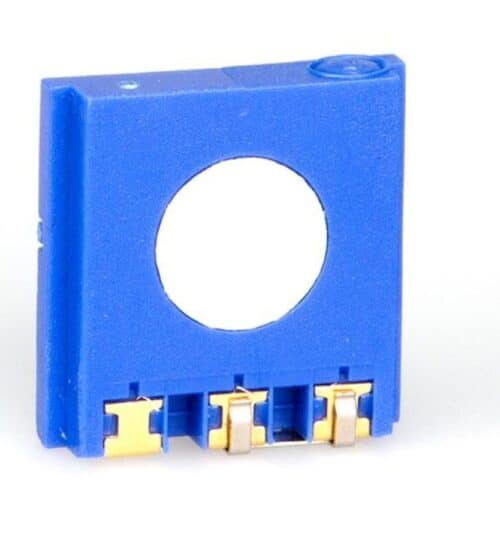
Replacement Hydrogen Sulfide Sensor refers to the new sensing element or module required to maintain the accuracy and functionality of a fixed or portable gas detector. is a lethal, fast-acting gas commonly found in oil and gas, petrochemical, wastewater, and mining industries. Due to the gas’s toxicity and the constant exposure of the sensor to harsh conditions sensors have a finite life and must be replaced periodically.
Features:
- Electro chemical Sensing Technology: Most detection relies on advanced electrochemical sensors. These sensors operate by reacting with the gas to produce an electrical signal.6 Over time (typically 2 to 3 years), the electrolyte within the sensor dries out or the electrodes are consumed, leading to degradation of accuracy.
- Preventive Maintenance (Not End-of-Life): Unlike consumer CO alarms that signal their own end-of-life, industrial sensors are typically replaced proactively based on the manufacturer’s recommended lifespan, or when calibration (bumping) failures indicate reduced sensitivity.
- Crucial Step: After replacing the sensor, the detector must be exposed to a known concentration of (calibration gas) to ensure it accurately reads the concentration and is fully functional before being deployed.
- Easy Installation: Sensors are generally designed as modular components that can be quickly swapped out of the detector unit, often with minimal downtime. This is particularly important for multi-gas portable detectors.
- Compliance and Reliability: Using genuine replacement sensors is mandatory for maintaining the detector’s certifications and adhering to strict occupational safety standards set by organizations like OSHA.
- Life Safety: Ensures the detector remains the critical line of defense against lethal, fast-acting gas exposure, which can cause instantaneous loss of consciousness (knockdown) at high concentrations.
- System Integrity: Guarantees that the gas monitoring program is reliable, avoiding false alarms (due to old sensors drifting) or, critically, failure to alarm Regulatory Compliance: Maintains compliance with industry-specific safety standards that mandate operational and calibrated gas detection systems.