
Description
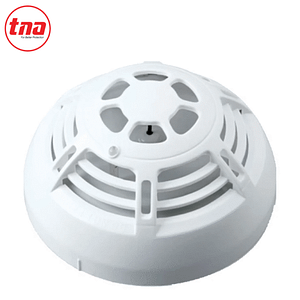
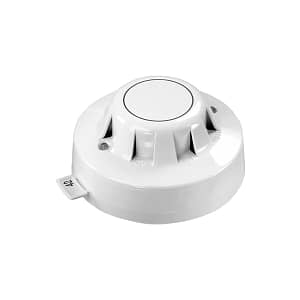
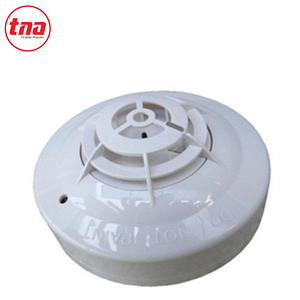
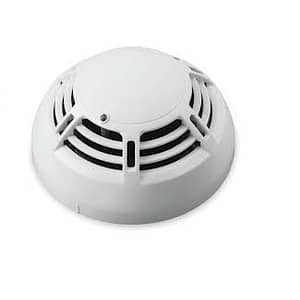
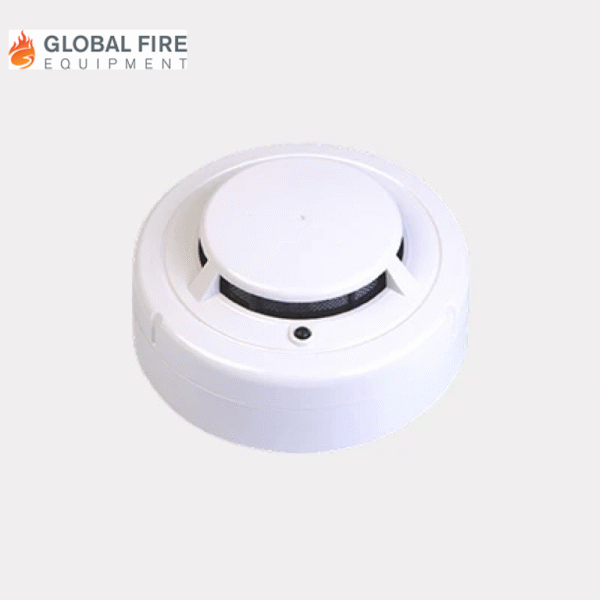
Heat Detector is a fundamental type of fire detection device that monitors for abnormally high temperatures a rapid increase in temperature, rather than detecting smoke flames. These detectors are primarily designed to respond to the heat energy released by a fire. They are crucial for use in environments where the normal presence of smoke, dust, or humidity would cause frequent false alarms with a smoke detector.
Features:
- Mechanism: Alarms when the surrounding air temperature reachesset critical temperature threshold This threshold is typically set well below the ignition point of most materials but high enough to avoid nuisance alarms from normal heat sources.
- Components: Often uses a fusible alloy link, a bimetallic strip, or a heat-sensitive thermistor that physically changes state or resistance when the threshold is reached, completing or breaking a circuit.
- Benefit: Highly reliable and resistant to false alarms from non-heat sources.
- Placement: Typically mounted on the ceiling or high on a wall, as heat rises. Due to the way heat spreads, a single heat detector covers a smaller area than a single smoke detector.
- Non-Lethal Source Immunity: Heat detectors are virtually immune to nuisance alarms caused by cooking smoke, steam, dust, welding fumes, and high humidity.
- Power Source: Usually hardwired into a fire alarm control panel system (conventional or addressable) and rarely battery-operated alone.
- Compliance: Must meet performance standards set by regulatory bodies such as (National Fire Alarm and Signaling Code)
- Application in Nuisance Areas: Essential for installation in areas unsuitable for smoke detectors, ensuring fire safety coverage in kitchens, garages, furnace rooms, and dusty manufacturing zones.
- Reliability: Provides a guaranteed response once the thermal threshold is met, making them a very dependable component of a fire protection system.
- Affordability: Generally less complex and often more cost-effective than smoke or multi-sensor detectors.
- Flaming Fire Detection: Provides a critical secondary or primary means of detection for fast-flaming fires that generate rapid heat buildup